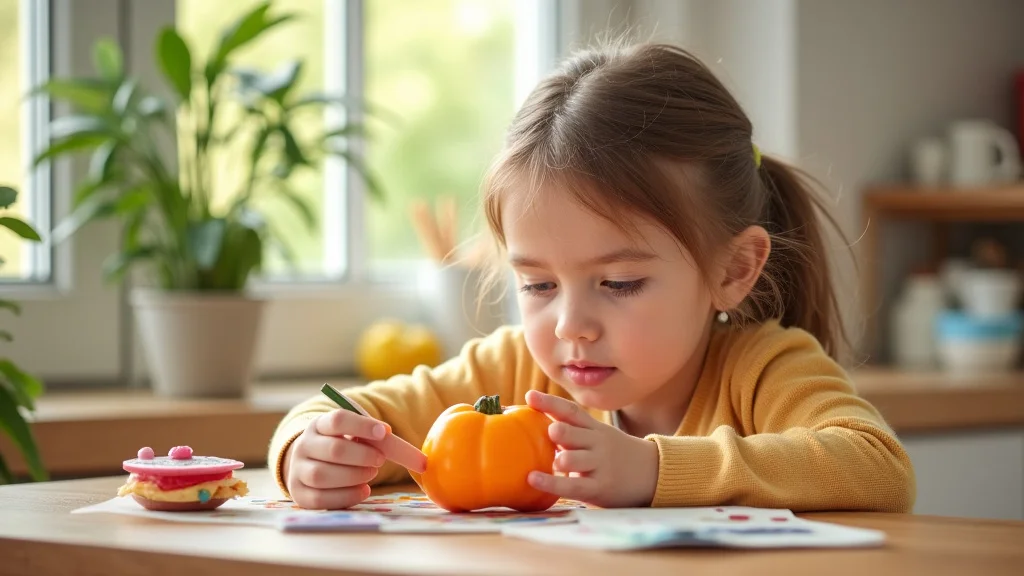
Picture this: Your little one refuses their veggies, prefers sugary snacks, and seems to catch every cold circulating at preschool. Sound familiar? We all want the best for our preschoolers, especially when it comes to their health. This post is your go-to guide for easy-to-implement health tips for preschoolers. You’ll discover practical advice, creative ideas, and actionable steps to help your child develop healthy habits that will last a lifetime. By the end, you’ll feel empowered to support your child’s well-being and make healthy choices a fun part of their everyday life.
Importance of Healthy Nutrition
What our preschoolers eat plays a huge role in their growth and development. It’s about more than just filling their tummies; it’s about providing the fuel they need to learn, play, and stay strong. Good nutrition lays the foundation for a healthy immune system, strong bones, and a sharp mind. Making sure our children eat a variety of nutrient-rich foods now sets them up for a lifetime of good eating habits. This section will guide you through simple ways to build healthy eating patterns, encouraging your preschooler to love nutritious meals.
Building a Balanced Plate
A balanced plate for a preschooler should include different food groups. Think colorful fruits and vegetables, lean proteins, whole grains, and dairy or dairy alternatives. It’s about offering a variety and letting your child explore different tastes and textures. Don’t worry if they don’t love everything right away; it often takes repeated exposure for a child to accept new foods. The key is consistency and creating a positive relationship with food. Aim for roughly half the plate to be fruits and vegetables, a quarter to be grains, and a quarter to be protein.
- Fruits and Vegetables: These provide essential vitamins, minerals, and fiber. Offer a rainbow of choices like berries, carrots, broccoli, and spinach.
- Lean Protein: Protein helps build and repair body tissues. Include options like chicken, fish, beans, and eggs.
- Whole Grains: Whole grains offer fiber and energy that lasts longer. Choose whole-wheat bread, brown rice, or oatmeal.
- Dairy or Alternatives: These foods provide calcium and vitamin D for strong bones. Offer milk, yogurt, or fortified alternatives.
Fruits and vegetables are like superheroes for your child’s body. They are packed with vitamins and minerals that keep them strong and help them fight off sickness. Fiber, found in both fruits and veggies, is super important for healthy digestion and keeps your little one feeling full and happy. Encourage your child to try different colors; each color offers different benefits. Make it fun by cutting fruits and veggies into fun shapes or creating edible art on their plate.
Protein is the building block of your child’s body. It helps them grow big and strong, repairs any boo-boos, and keeps their energy levels up. Good protein sources include chicken, fish, beans, and eggs. Think of protein as the worker bees that build and maintain everything inside your child. Make it fun by letting them help you prepare their meals – they’ll be more likely to eat it if they helped!
Whole grains give your child a steady supply of energy throughout the day, so they can play and learn without getting cranky. They’re filled with fiber, which helps keep their tummy happy and regular. Examples include whole-wheat bread, brown rice, and oatmeal. When possible, opt for whole-grain options instead of processed ones. Reading labels and checking for the word “whole” in front of the grain name is a quick and easy tip to follow.
Dairy or dairy alternatives, like fortified almond or soy milk, are essential for strong bones and teeth, thanks to the calcium and vitamin D they contain. They also help keep muscles working correctly. Yogurt is a great option, often containing probiotics that support a healthy gut. If your child doesn’t enjoy dairy, look for fortified alternatives. Pay close attention to any allergies or intolerances, and consult with a doctor if you are unsure about the best options for your child.
Snack Smart
Snacks are a great way to provide extra nutrients throughout the day, but choosing the right ones is important. Pack snacks that are both tasty and nutritious. Plan ahead and have healthy options readily available to avoid the temptation of sugary treats. Good snack ideas can include fruits, vegetables, yogurt, cheese sticks, and whole-grain crackers. Encourage your preschooler to eat slowly and enjoy each bite, rather than rushing through their snack.
- Fruits and Vegetables: Pre-cut veggies like carrots, celery, and bell peppers, along with whole fruits like apples and bananas, are easy, portable options.
- Dairy or Alternatives: Yogurt tubes, cheese sticks, or a small cup of milk are convenient and calcium-rich.
- Whole-Grain Crackers or Muffins: Choose options with low added sugar and high fiber.
- Limit Sugary Treats: Save cookies, candy, and sugary drinks for occasional treats.
Fruits and vegetables are easy to grab, and they’re bursting with vitamins and minerals. Think about pre-cutting your child’s favorite veggies and putting them in small containers so they are readily available. Pack a piece of fruit like an apple or a banana. Make it colorful and interesting by offering a variety of options. A little dip of hummus or a small amount of peanut butter can make vegetables more appealing for many children. It’s a great way to boost their fiber and vitamin intake.
Dairy snacks are a great source of calcium and protein. Yogurt tubes are a fun and easy choice, while cheese sticks offer a simple way to get some dairy on the go. Milk, of course, provides both calcium and vitamin D. If your child is lactose-intolerant, there are plenty of alternative options to consider, such as fortified almond or soy milk. Pay attention to sugar content in yogurt and choose unsweetened varieties when possible.
Whole-grain crackers and muffins provide sustained energy to keep your preschooler going throughout the day. Opt for those with low added sugar and high fiber content. Reading the labels is important here! Look for crackers made with whole wheat or other whole grains. Consider making homemade muffins so you can control the ingredients. You can sneak in some extra nutrients by adding grated carrots or zucchini to your muffins, too!
While an occasional treat is okay, it’s best to limit sugary snacks as they can lead to energy crashes and don’t provide any nutritional value. Instead of always having these items at home, consider saving them for special occasions. Make sure to involve your child in the process by talking about how these foods are sometimes treats, but they aren’t what we eat every day to keep our bodies healthy. Teaching moderation is key.
Hydration is Key
Water is essential for keeping children hydrated, which is important for overall health. It is recommended that preschoolers should drink at least four to six cups of water per day. Being properly hydrated can help improve concentration, regulate body temperature, and assist with digestion. Encourage your child to drink water throughout the day, especially before, during, and after playtime and physical activity. Always have water available and make it easy for your child to access.
- Offer Water Regularly: Make water readily available throughout the day.
- Make it Fun: Use colorful cups, straws, or water bottles.
- Avoid Sugary Drinks: Limit juice, soda, and other sugary beverages.
- Lead by Example: Drink plenty of water yourself!
Ensure that water is easily accessible to your preschooler at all times. Place a water bottle in their sight, in the refrigerator, or on the kitchen counter. Encourage them to drink water throughout the day, especially during playtime or when they are feeling thirsty. Sometimes, children might need a little nudge, so try offering water at regular intervals.
Make drinking water fun by using colorful cups or exciting water bottles. Kids are naturally drawn to things that are visually appealing. If your child has a favorite character, a themed water bottle could make drinking water even more enjoyable. Try adding slices of fruit like strawberries or cucumber to add a bit of flavor and make water time something to look forward to.
Juice, soda, and other sugary drinks can lead to dental problems, excessive weight gain, and energy crashes. These drinks offer little to no nutritional value. Instead of sugary drinks, focus on offering water as the primary beverage. If you do serve juice, make sure it is 100% fruit juice, and limit the amount to a small serving. Always read labels to know what you are giving your child.
Children often mimic the behaviors of their parents or caregivers. If you consistently drink water throughout the day, it’s more likely your child will too. Make it a family activity to drink water together, especially during meals or after playing. Explain to your child why water is important for staying healthy and strong. By making water a normal part of your routine, you are setting a good example.
Importance of Physical Activity
Being active is super important for your preschooler’s health. It helps their bodies grow strong and healthy, keeps their minds sharp, and boosts their mood. Kids who get regular exercise are more likely to have strong bones and muscles, develop coordination, and maintain a healthy weight. They also tend to sleep better and have more energy throughout the day. Encouraging physical activity from a young age is one of the best health tips for preschoolers to ensure they enjoy a healthy lifestyle.
Active Playtime
Active playtime helps preschoolers develop their gross motor skills. This includes activities such as running, jumping, and throwing. Make playtime fun and engaging by incorporating different activities like playing tag, riding bikes, and dancing. These activities not only improve their physical fitness but also boost their social and emotional development. Encourage your child to explore various movement activities to discover what they enjoy most.
- Outdoor Activities: Visit parks, playgrounds, or simply play in the backyard.
- Indoor Activities: Dance parties, obstacle courses, or active video games are great.
- Free Play: Allow unstructured time for running, jumping, and exploring.
- Involve the Family: Make activity a family affair.
Outdoor activities are great for preschoolers! They get to explore and experience the world around them, all while being active. Visit parks with playgrounds where they can run, climb, and swing. Spend time in the backyard, playing games like tag or kickball. Outdoor time also exposes children to sunshine and fresh air, which is good for their mood and overall well-being. Make sure the play area is safe and always supervise your children.
When the weather isn’t cooperating, there are still plenty of ways to keep your preschooler active indoors. Have a dance party, play their favorite music, and let them move freely. Create a simple obstacle course using pillows, blankets, and furniture. If you have active video games designed for kids, that’s another option to get them moving. These are great options for days when you can’t go outside. Just be sure to create a safe environment and supervise your child.
Unstructured play is incredibly important for preschoolers. Provide them with time where they can move freely, without structured activities or directions. This allows them to explore their creativity and develop their own games. They can run, jump, play hide-and-seek, or simply roll around. Free play also helps improve their problem-solving skills and boosts their imagination. Make sure their play space is safe and supervision is always a must.
Making physical activity a family activity sets a great example. Encourage the whole family to play together. Go for walks, bike rides, or play sports like soccer or basketball. When the whole family is involved, it becomes more fun and builds stronger bonds. Your child will see that you value being active, and it will motivate them to participate more often. Plus, it’s a great way to spend quality time together!
Structured Activities
Enrolling your child in structured activities such as swimming lessons or dance classes can help improve their motor skills and coordination. These activities offer opportunities to learn new skills, interact with peers, and develop a sense of discipline. They also create a routine and provide a framework for regular exercise. Keep in mind that activities should be age-appropriate and fun, promoting a positive attitude toward physical activity. Remember to always choose activities that your child enjoys to keep them engaged and motivated.
- Sports Programs: Consider soccer, T-ball, or gymnastics.
- Dance or Movement Classes: Enhance coordination and rhythm.
- Swimming Lessons: Teach a valuable life skill while being active.
- Keep it Fun and Positive: Ensure the focus is on enjoyment and participation.
Sports programs can be a fun way for preschoolers to learn new skills, develop teamwork, and stay active. Soccer, T-ball, and gymnastics are all popular choices. These programs teach basic skills and introduce them to the joy of playing a sport. Make sure that the programs are geared towards preschoolers, focusing on fun and participation. Always emphasize the importance of having fun and being a good sport over winning.
Dance and movement classes are excellent for preschoolers, helping them develop coordination, rhythm, and body awareness. These classes often involve singing, dancing, and playing games, which keeps them engaged and entertained. Dance can be a creative outlet where they express themselves through movement. Choose a class that matches your child’s interests and level of energy. The classes will not only improve their physical fitness but also boost their confidence.
Swimming lessons are a fantastic option for preschoolers, offering a valuable life skill while providing exercise. They learn to be safe in the water, develop strength, and build confidence. Swimming is a full-body workout that’s gentle on their joints. Make sure you choose a certified instructor who is experienced working with young children. Safety should always be the top priority. Swimming lessons will help children stay active, have fun, and learn an essential life skill.
The goal is to foster a positive attitude towards physical activity. The emphasis should be on enjoyment and participation, not on competition or perfection. Create a supportive environment where children feel comfortable trying new things and making mistakes. Praise their effort and celebrate their achievements. If they love what they are doing, they will more likely continue to stay active throughout their lives.
Screen Time Guidelines
It’s important to set reasonable limits on screen time. Excessive screen time can be linked to several health concerns, including lack of sleep, poor eyesight, and decreased physical activity. It’s best to create a balance between screen time and other activities like playing, reading, and interacting with others. The amount of screen time should be age-appropriate, and it’s important to supervise what your child is watching and playing.
- Establish Limits: Set a daily or weekly screen time budget.
- Choose Quality Content: Opt for educational and age-appropriate programs.
- Create Screen-Free Zones: Keep bedrooms and mealtimes screen-free.
- Encourage Alternative Activities: Promote reading, playing, and outdoor time.
Creating screen time limits helps ensure that your child engages in a variety of activities throughout the day. Decide on the amount of screen time your child can have each day or week. Discuss these limits with your child, so they understand the guidelines. This may require some trial and error to find the right balance for your family. Once the rules are set, stick to them. Being consistent with screen time limits ensures that your child develops healthy habits early.
When your child watches screens, select programs that are educational and fit their age group. Look for shows that teach basic skills, promote creativity, or encourage learning. Check reviews and ratings to make sure the content is appropriate. Limit shows with fast-paced editing, violence, or excessive advertising. Use this time as an opportunity for your child to explore new knowledge, or even to learn a new language. Make sure the content is both entertaining and enriching.
Establishing screen-free zones in your home helps promote a better environment. Remove screens from bedrooms to create a space for relaxation and sleep. Make mealtimes screen-free to encourage family interaction and conversation. This will create opportunities for your child to focus on social interaction and engage in other activities. Make these rules part of your household routine to make them a habit. These small changes can have a big impact on your child’s overall well-being.
Encourage your child to spend time doing other activities instead of watching screens. Make reading a regular part of their routine by visiting the library or creating a cozy reading nook at home. Encourage imaginative play with toys, dress-up, or art projects. Spend time outdoors at the park, in the backyard, or on nature walks. Providing plenty of alternatives helps reduce screen time naturally. By encouraging a variety of activities, you’re helping them build healthy habits.
Importance of Sleep and Rest
Getting enough sleep is as important for preschoolers as eating healthy and being active. Good sleep is key for your child’s growth, development, and overall well-being. During sleep, their bodies and brains work hard to repair cells, consolidate memories, and regulate hormones. When children don’t get enough sleep, they may have difficulty concentrating, experience mood swings, and become more susceptible to illness. Setting up a consistent sleep schedule and creating a calming bedtime routine can set the stage for restful nights.
Establishing a Consistent Sleep Schedule
Creating a consistent sleep schedule is a great health tip for preschoolers to help regulate their body clock. Going to bed and waking up around the same time each day, even on weekends, helps their bodies know when to expect sleep. A regular schedule makes it easier for them to fall asleep and wake up feeling refreshed. Establish a consistent bedtime routine that includes calming activities to prepare your child for sleep. This consistency creates a positive sleep environment, promoting healthy sleep habits.
- Regular Bedtime: Put your child to bed at the same time each night.
- Consistent Wake-Up Time: Wake your child around the same time each day.
- Age-Appropriate Sleep Needs: Ensure your child gets the recommended amount of sleep.
- Weekend Routine: Keep weekend sleep schedules as consistent as possible.
Having a regular bedtime helps regulate your child’s natural sleep-wake cycle. Setting a consistent bedtime makes it easier for them to fall asleep and wake up refreshed. Choose a bedtime that allows your child to get the right amount of sleep. Make sure the bedtime routine is consistent, even on weekends. Consistency is key to creating healthy sleep habits. When your child’s body gets used to the routine, they’ll start to feel tired around the same time each night.
Waking up at the same time is just as important as going to bed at the same time. This helps regulate their sleep-wake cycle and makes it easier for them to fall asleep at night. Try to wake them up around the same time every day, even on weekends. If they are used to waking up at a certain time, their bodies will naturally prepare for sleep around the same time each night. This can lead to them falling asleep more easily and sleeping better overall.
Preschoolers typically need 10–13 hours of sleep each night. Consider the appropriate amount of sleep for your child’s age, and make sure their sleep schedule meets those needs. Make sure you adjust their bedtime to allow for the right amount of sleep. If they aren’t getting enough sleep, they might be tired, grumpy, and have difficulty focusing. Ensuring that they meet their sleep needs is a huge part of promoting their physical and mental well-being.
Keeping a consistent sleep schedule on the weekends is important. While you might want to let your child sleep in a bit, avoid dramatic changes to their sleep routine. Consistency helps keep their body clock regulated and makes it easier for them to go back to school on Mondays. If your child stays up later on the weekend, try to bring their bedtime back to normal the next night. Small adjustments are better than big ones. This helps avoid sleep problems during the week.
Creating a Relaxing Bedtime Routine
A relaxing bedtime routine signals to your child that it’s time to wind down. A calming routine helps them relax their bodies and minds, making it easier to fall asleep. It is also a good opportunity for bonding and creating positive associations with sleep. Your routine might include a warm bath, reading a book, or listening to calming music. It provides a sense of security and comfort, reducing anxiety and promoting a better night’s sleep. Keep the routine consistent to help your child prepare for sleep each night.
- Warm Bath: A warm bath can relax muscles and soothe the senses.
- Reading a Book: Reading a book promotes relaxation and literacy skills.
- Calm Activities: Avoid screen time and stimulating activities before bed.
- Consistent Routine: Repeat the routine every night for consistency.
A warm bath can be part of your child’s bedtime routine to help them relax. The warmth of the water helps soothe muscles and calm them down. It can also be a signal that bedtime is approaching. Make the bath experience even more relaxing by using gentle, unscented soaps and adding bubbles. Make sure the bath isn’t too hot to avoid any discomfort. The whole routine helps to create a sense of calm and helps prepare them for sleep.
Reading a book is a wonderful part of a bedtime routine. Reading together can create a sense of closeness between you and your child. It encourages a love of reading and literacy skills. Choose books that are appropriate for their age and interests. Read in a calm voice and make the experience enjoyable. It can also help soothe and relax your child, making it easier for them to fall asleep. The simple act of reading is a great way to prepare them for sleep.
Limit stimulating activities, especially screen time, before bed. The bright lights and excitement from screens can disrupt sleep. Instead, engage in calm and relaxing activities like reading or gentle play. Consider quiet activities like drawing, coloring, or listening to soft music. Make sure the bedroom is dark, quiet, and cool. Setting the stage for sleep each night will encourage better sleep patterns and a more relaxed atmosphere.
Repeat the bedtime routine every night. Consistency is key to establishing healthy sleep habits. Follow the same steps, in the same order, to signal to your child that it’s time to sleep. This predictability helps them understand and anticipate what will happen next. It helps them prepare to relax and fall asleep. By creating a familiar and comforting routine, you are encouraging your child to embrace sleep. It will also make the bedtime routine easier for both of you.
Importance of Hygiene and Sanitation
Teaching good hygiene and sanitation practices is super important for preventing illnesses and keeping children healthy. This includes things like handwashing, brushing teeth, and taking baths. By instilling these habits early on, you can protect your child from germs and infections. It also sets the stage for a lifetime of healthy behaviors. These practices are easy to implement and provide lasting benefits for your child’s health.
Handwashing Habits
Handwashing is one of the easiest and most effective ways to prevent the spread of germs. Teach your child to wash their hands frequently, especially before meals, after playing outside, and after using the bathroom. Use soap and water, and make sure they wash their hands thoroughly for at least 20 seconds. Make handwashing fun by singing a song while they wash. It’s a simple habit that can make a huge impact on your child’s health.
- When to Wash: Before meals, after playing, and after using the bathroom.
- Proper Technique: Use soap and water, wash for 20 seconds.
- Make It Fun: Sing a song while washing hands, use fun soap.
- Lead by Example: Wash your hands with your child.
Handwashing should be done frequently throughout the day, especially at key times to prevent spreading germs. Make sure your child washes their hands before meals to remove any bacteria. Washing after playing outside or touching surfaces ensures that any germs they picked up are washed away. Washing after using the bathroom is important for preventing the spread of fecal contamination. Make sure these handwashing times are part of their daily routine.
Teach your child the proper handwashing technique. Use soap and water, and make sure they wash their hands for at least 20 seconds. Wet their hands with clean, running water, and apply soap. Rub their hands together, making sure to clean all surfaces. This includes the backs of their hands, between fingers, and under nails. Sing a song like “Happy Birthday” twice to make sure they wash long enough. Rinse well and dry their hands with a clean towel.
Make handwashing fun by singing a song while washing their hands. You can use their favorite songs or even create a special handwashing song. Use fun, kid-friendly soaps. Make sure the soaps smell good or have a bright color. Encourage them to take ownership of this task. Using fun soaps will make it an enjoyable experience, making it easier for them to wash their hands regularly. It is also important to encourage them to wash their hands properly.
Lead by example and show your child how important handwashing is. Wash your hands with them. Make it a routine for everyone in the family to wash their hands together. They will see that you take it seriously, making them more likely to follow suit. Demonstrate the correct technique and explain why washing hands helps keep everyone healthy. By making it a family habit, you’re setting a strong example.
Dental Hygiene
Good dental hygiene starts early, and is an important health tip for preschoolers. Brush their teeth twice a day with fluoride toothpaste and help them floss daily. Regular dental checkups are also essential. Teach your child about the importance of taking care of their teeth to avoid cavities and maintain healthy gums. Encouraging good dental habits now will set the stage for a lifetime of healthy smiles. Start by making brushing and flossing a fun and enjoyable part of their daily routine.
- Brushing Twice a Day: Brush in the morning and before bed.
- Flossing Daily: Teach them to floss to remove food particles.
- Regular Dental Checkups: Visit the dentist every six months.
- Healthy Diet: Limit sugary snacks and drinks.
Brush your child’s teeth twice a day, once in the morning and once before bed. Brushing helps remove food particles and plaque. This prevents tooth decay and gum disease. Use a soft-bristled toothbrush and a small amount of fluoride toothpaste, about the size of a pea. Make sure you brush all surfaces of their teeth, including the front, back, and chewing surfaces. Assist them with brushing until they can do it on their own to ensure proper cleaning.
Flossing helps remove food particles and plaque from between teeth, where a toothbrush can’t reach. This helps prevent cavities and keeps gums healthy. Help them floss daily, especially if they have teeth that are close together. Use floss or floss picks. Demonstrate the correct flossing technique to ensure that they get into all the spaces between their teeth. As your child gets older, they can learn to floss more independently.
Regular dental checkups are important. Schedule a checkup every six months. The dentist can clean their teeth, check for cavities, and offer advice on improving dental hygiene. They can also apply fluoride treatments, which can help prevent tooth decay. Make dental visits a positive experience by talking to your child about what to expect. Prepare them and make sure they feel safe and comfortable during their visit. This helps establish good habits.
What your child eats has a big effect on their dental health. Limiting sugary snacks and drinks helps prevent cavities. Sugar feeds the bacteria in their mouth, which produces acids that erode tooth enamel. Encourage a healthy diet with plenty of fruits, vegetables, and water. When your child eats sugary treats, make sure they brush their teeth afterward. Make the right food choices. Their smile will thank you!
Bathing and Grooming
Bathing and grooming are important for keeping your child clean, healthy, and happy. Regular baths help remove dirt, germs, and sweat. They also help prevent skin infections. Hair care, nail trimming, and ear cleaning are equally important. These practices can boost your child’s confidence, improve their hygiene, and help you create a healthy routine. Make it enjoyable for your child. Involve them in the process to make grooming a positive experience.
- Regular Baths: Bathe your child several times a week.
- Hair Care: Wash and comb or brush their hair regularly.
- Nail Trimming: Trim their nails regularly to prevent dirt buildup.
- Ear Cleaning: Gently clean the outer ears, not the ear canal.
Regular baths are important for removing dirt, germs, and sweat, which can keep your child clean and healthy. Wash their hair with shampoo a few times a week, or more often if needed. Make sure you use mild soap that’s gentle on their skin. The bath should not be too hot to avoid any discomfort or irritation. Make sure you are supervising them. The goal is to establish a relaxing bath time that promotes hygiene and comfort.
Hair care is an important part of a child’s hygiene routine. Wash your child’s hair regularly with a gentle shampoo, making sure you rinse thoroughly. After washing, gently comb or brush their hair to remove tangles. This prevents knots and keeps their hair tidy. Choose a brush or comb that is gentle on their hair and scalp. If your child has long hair, braid it or tie it back to keep it neat and prevent it from getting in the way. Proper hair care encourages good hygiene.
Trimming your child’s nails regularly helps prevent dirt buildup and reduces the risk of scratches. Trim their nails with nail clippers or small scissors. Make sure you cut straight across to prevent ingrown nails. Smooth out any rough edges with an emery board. You can do this while they are relaxed, like when they are watching TV or reading. Teach them the importance of keeping their nails clean to prevent the spread of germs.
Gently clean the outer ears. Do not put anything into their ear canals. Use a soft cloth to wipe around the outer ears and behind the ears. Never use cotton swabs inside their ears, as they can push wax further in. Watch for any signs of ear problems, like redness, pain, or discharge. These can be symptoms of an ear infection. Always consult with a doctor. Ear cleaning should be gentle and focus on removing any dirt from the outer ear.
Frequently Asked Questions
Question: How much sleep does my preschooler need?
Answer: Preschoolers typically need between 10 to 13 hours of sleep per night. The exact amount can vary slightly from child to child.
Question: How often should my child wash their hands?
Answer: Wash hands frequently, especially before meals, after playing outside, after using the bathroom, and after coughing or sneezing.
Question: What should I do if my child refuses to eat vegetables?
Answer: Offer vegetables repeatedly, in various forms, and with different pairings. Make it fun and model healthy eating habits.
Question: How can I encourage my child to be more physically active?
Answer: Provide opportunities for active play, like visiting parks or dancing. Involve the whole family in physical activities.
Question: How often should my child see a dentist?
Answer: It’s recommended that children visit the dentist every six months for checkups and cleanings.
Final Thoughts
Embracing these health tips for preschoolers isn’t about being perfect; it’s about creating a foundation of healthy habits. By focusing on balanced nutrition, regular physical activity, adequate sleep, and good hygiene, you’re equipping your child with the skills they need to thrive. Remember that small changes, consistently applied, can make a huge difference. Focus on making healthy choices fun and engaging. Make it a family affair to help your child flourish. Celebrate their efforts and be a positive role model. Together, you can build a future of health and well-being for your preschooler.